The Calendar Says Summer Is Ending. But Not Here In Marbella. While The Sun Is Still Doing Its Job, There’s No Reason Not To Make The Most of The City’s Best Restaurants

Summer may be drawing to a close. And while that might already be the case in many places outside Marbella… here, we’ll still be enjoying the sunshine for quite a while longer.
So, as we make the most of the beautiful months that follow the height of summer, we’ve rounded up three restaurants from our list of recommendations for you.
We hope you enjoy them!
Casa Eladio
1965 The Marbella that has always been.
Calle Virgen de los Dolores.
Eladio Cabello began his career as a maître d' at Hotel El Fuerte. He was a man with vision and a hunger for prosperity for his family, and so while holding down his main job, he decided to set up a small shop that would evolve from serving drinks to a handful of workers passing through the area, to preparing little tapas cooked by his wife in the back room.
Word of the quality of those tapas spread, and Eladio's little shop began to earn a name for itself among the working class and the tradespeople of the neighbourhood, eventually serving around 250 set lunches a day. Seeing that his business idea was becoming ever more real and more stable, he made the decision to leave the hotel and throw himself fully into this small but mighty project.
It has always been Calle Virgen de los Dolores. The street that holds within it the art of a crowd hidden just behind the Plaza de los Naranjos.
Casa Eladio. A name as simple as it is genuine, and to this day, as authentic as ever. From Eladio Cabello it passed to José Eladio Cabello, and the restaurant kept filling more and more seats, earning its reputation as the place to go for a proper set menu and a warm, welcoming atmosphere.
The years went by, and so did the Marbella of old, which was beginning to attract more and more attention from the wider world and, with it, to transform itself into a modern, popular city. Many establishments started to adapt, and that is when Carlos Cabello entered this story. Carlos had trained at La Cónsula School of Hospitality in Málaga, and had cooked alongside great Spanish chefs such as Daniel López (restaurant Kokotxa, San Sebastián), whom he recalls with great affection and names as a defining influence in understanding the kind of cooking we see at Casa Eladio today.
And so it was that the third generation turned the whole thing on its head — in every sense of the expression — and transformed the gastronomic identity of Casa Eladio without losing its soul, so that those who remembered the restaurant from more than fifty years ago could keep on remembering it, now reimagined with a fresh and forward-looking concept that turns its essence into something timeless.
And the result of all these changes? A kitchen built upon the Andalusian recipe book — traditional, rooted in local producers — guiding guests through a concept of experience that takes them on a journey across Andalusia: the oldest and most authentic, from the very first bite to the last.
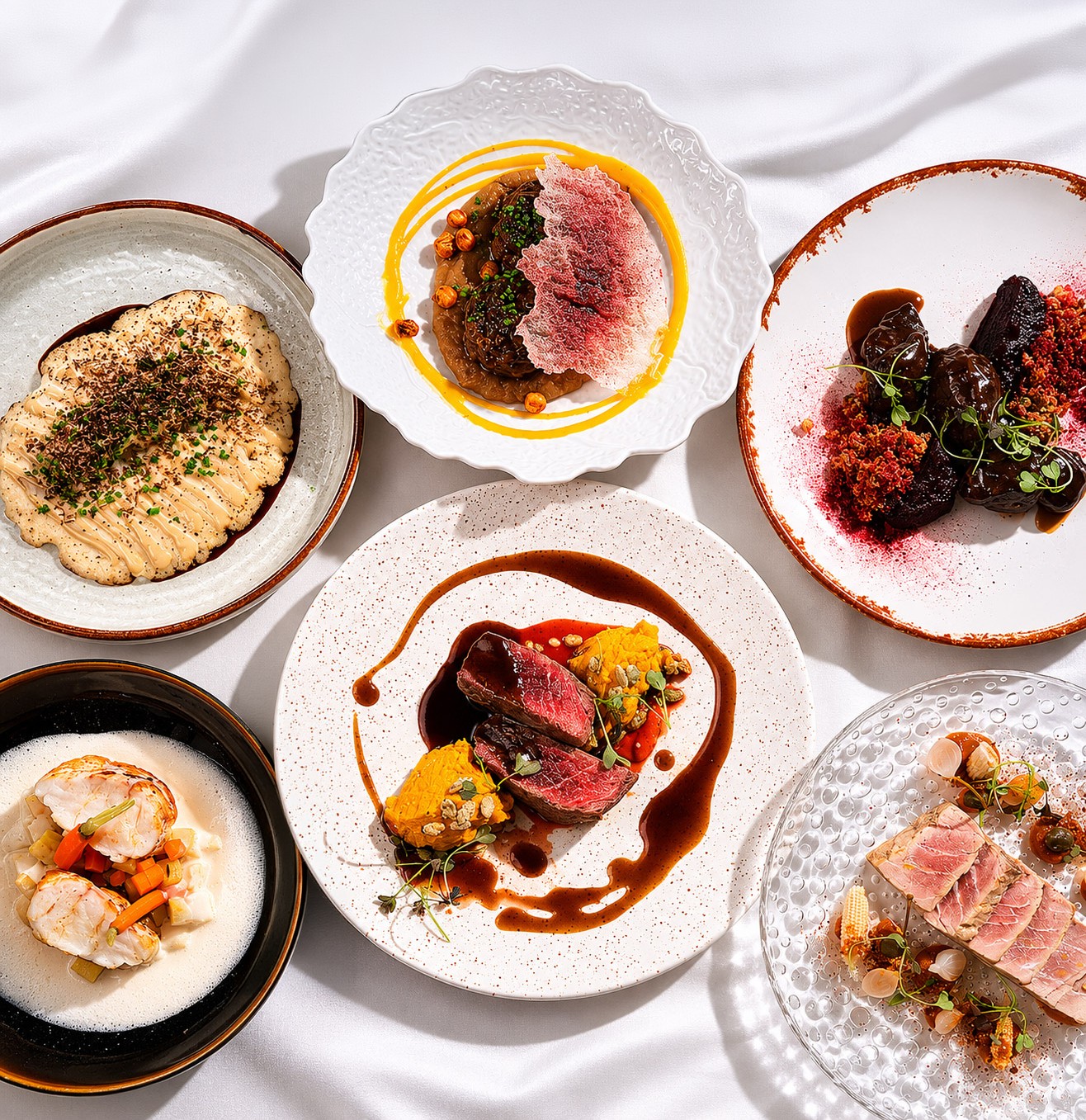
The way we understand Casa Eladio today is through its tasting menus — a shorter menu known as Esencia, and a full journey through the Menú Caminos del Sur. As well as through a menu that literally travels the length and breadth of Andalusia, where you can discover: Cádiz — from the town of Barbate with its almadraba bluefin tuna, featured in the tuna tartare with Málaga-style white almond gazpacho, tender shoots and mango. Inside of Cádiz, Sanlúcar de Barrameda, with its Sherry wines woven into stews, sauces and other preparations. Córdoba — and the Valle de Los Pedroches, Spain's protected designation of origin for Iberian pork, present in the braised cheeks, presa ibérica and the famous jamón croquettes —. Jaén — with its extra virgin olive oil —. And travel all the way to Málaga — discovering the Guadalhorce Valley through its citrus fruits, tasted in the lemon cream, Lemon Pie, toasted meringue with mint and citronella ice cream, and through Coín and Alhaurín, with their kitchen gardens where local vegetables take centre stage. And finishing in Marbella itself — where the team shops at La Lonja, a harbour from which Casa Eladio sources octopus and prawns for the aperitifs at its tasting events, and where they serve the traditional dish of gambas al pil pil alongside a plate of white prawns.
The home of Eladio Cabello, transformed into one of the most modern and forward-thinking restaurants that has watched Marbella grow. One of the rare establishments where you can learn from its very beginnings the true story of this city, now a destination for those who seek culinary excellence and wish to feel the warmth of a home and the produce of an entire generation.
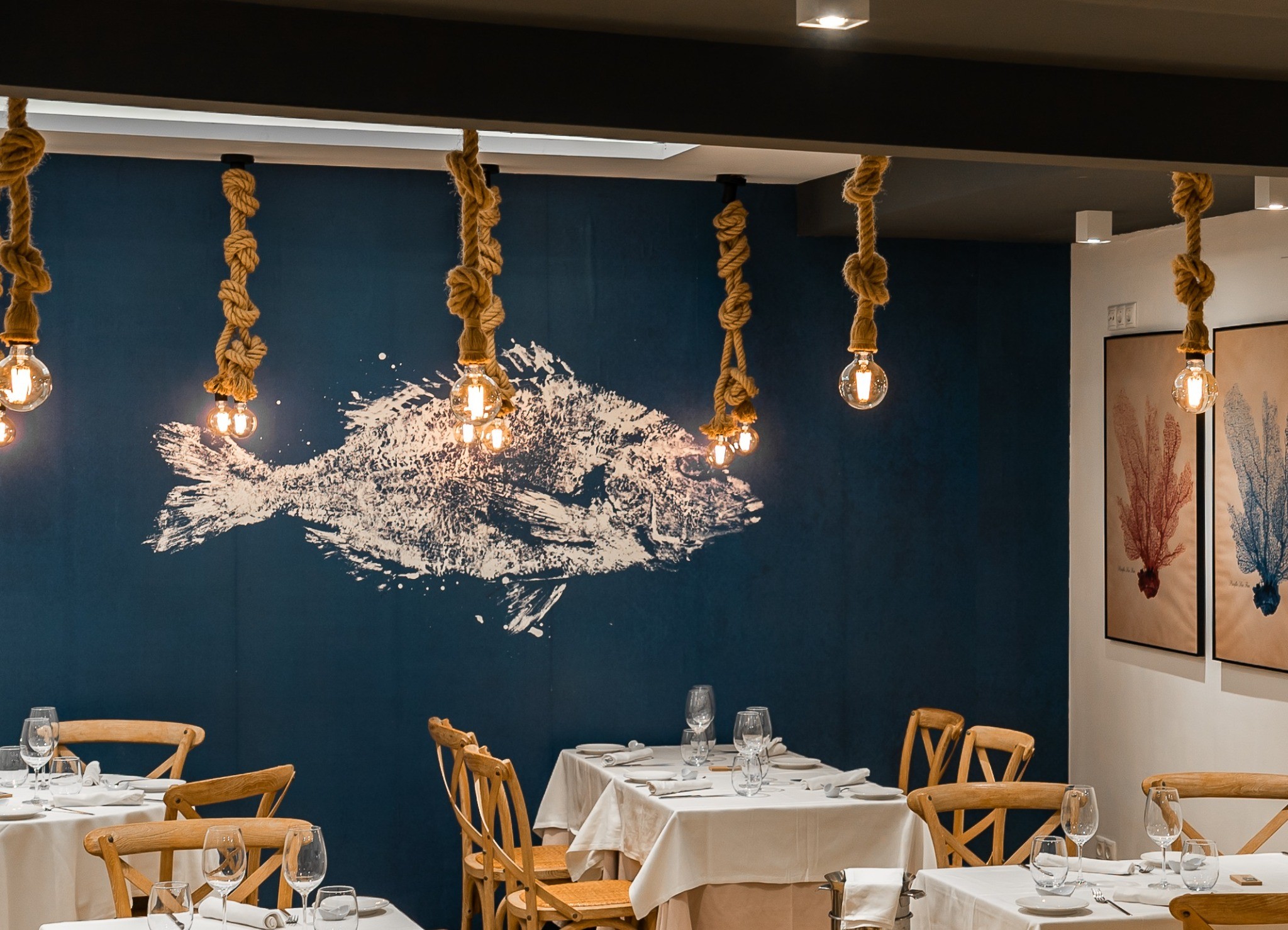
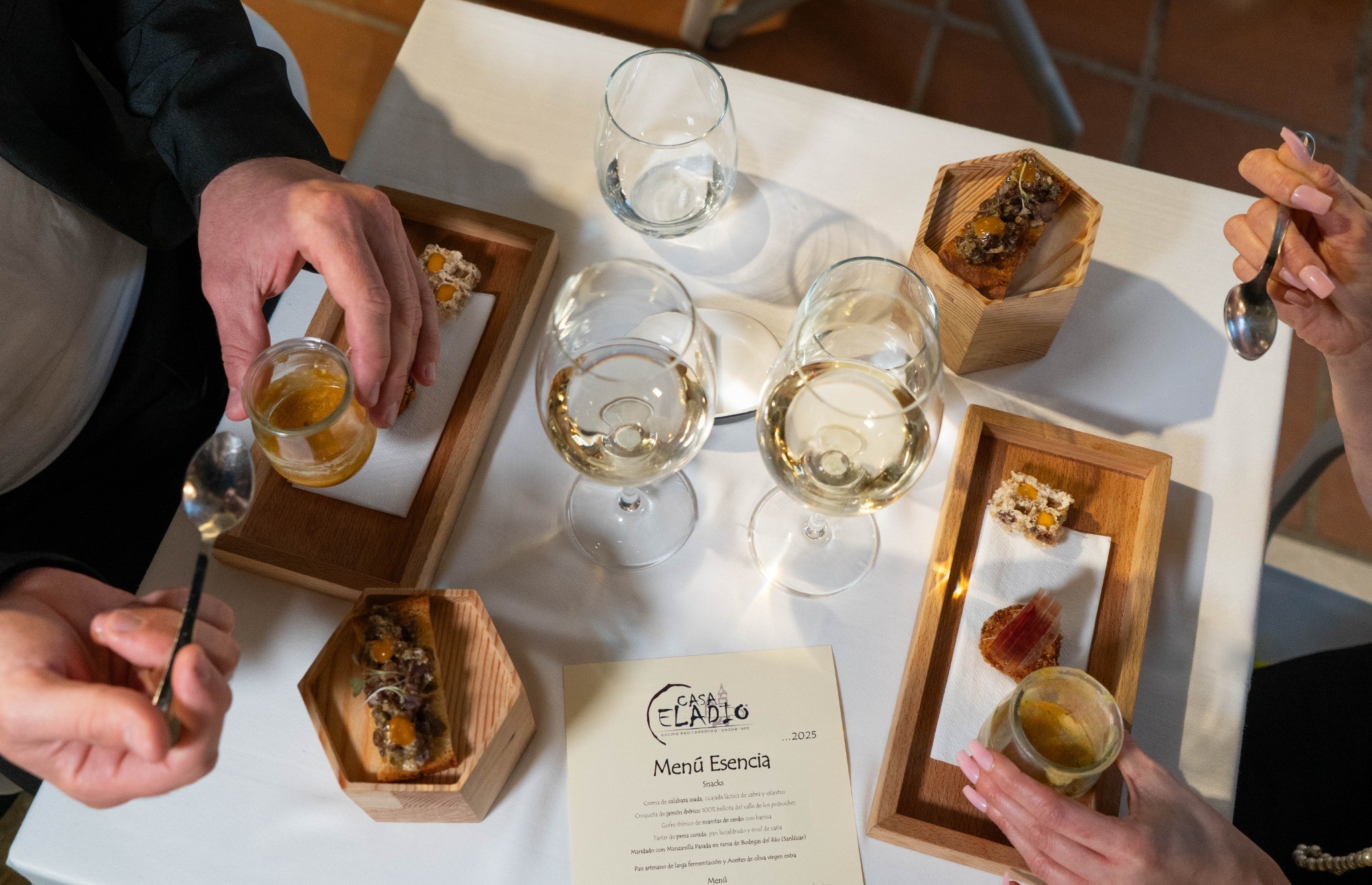
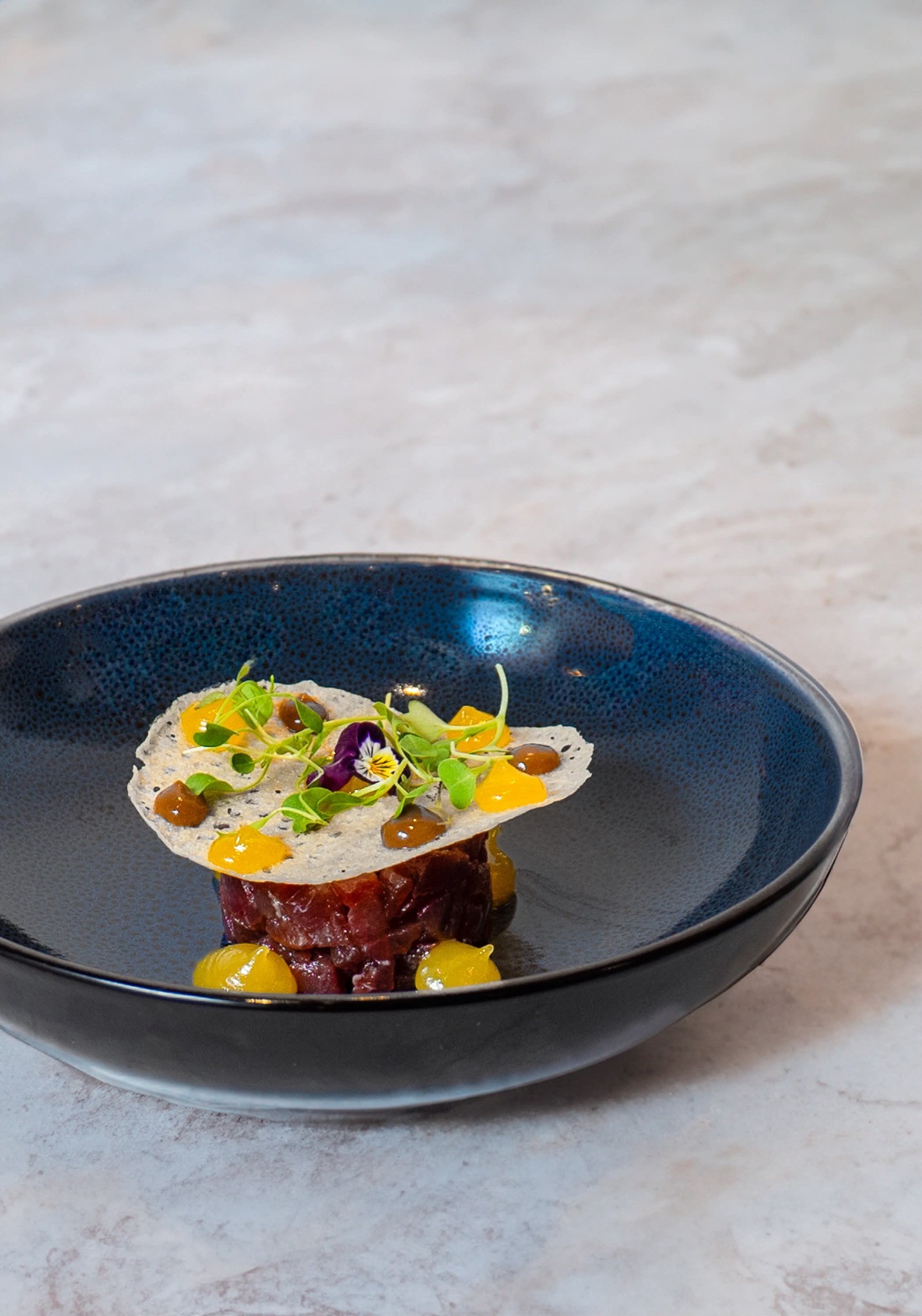
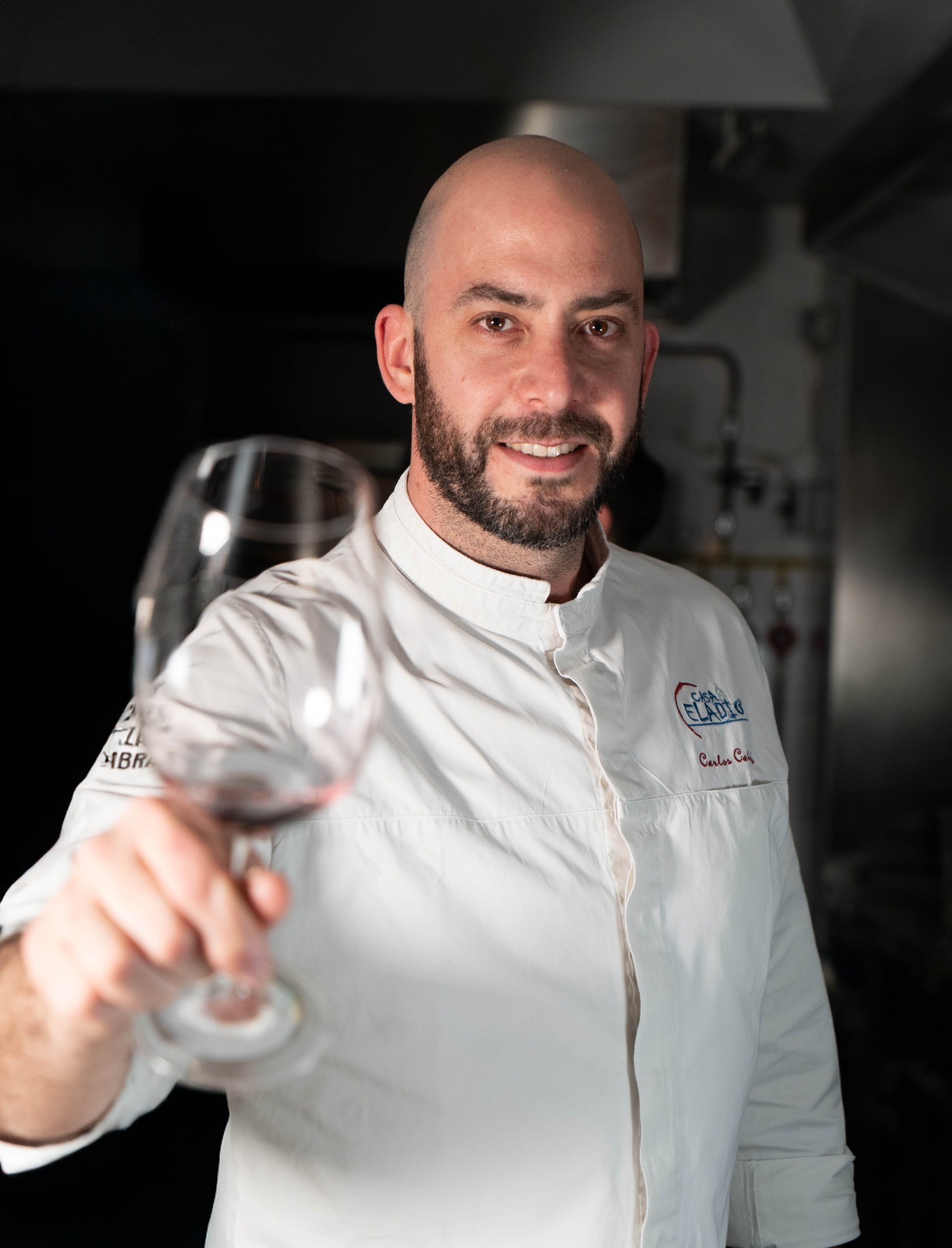
We must always remember where we come from, to know where we want to go.
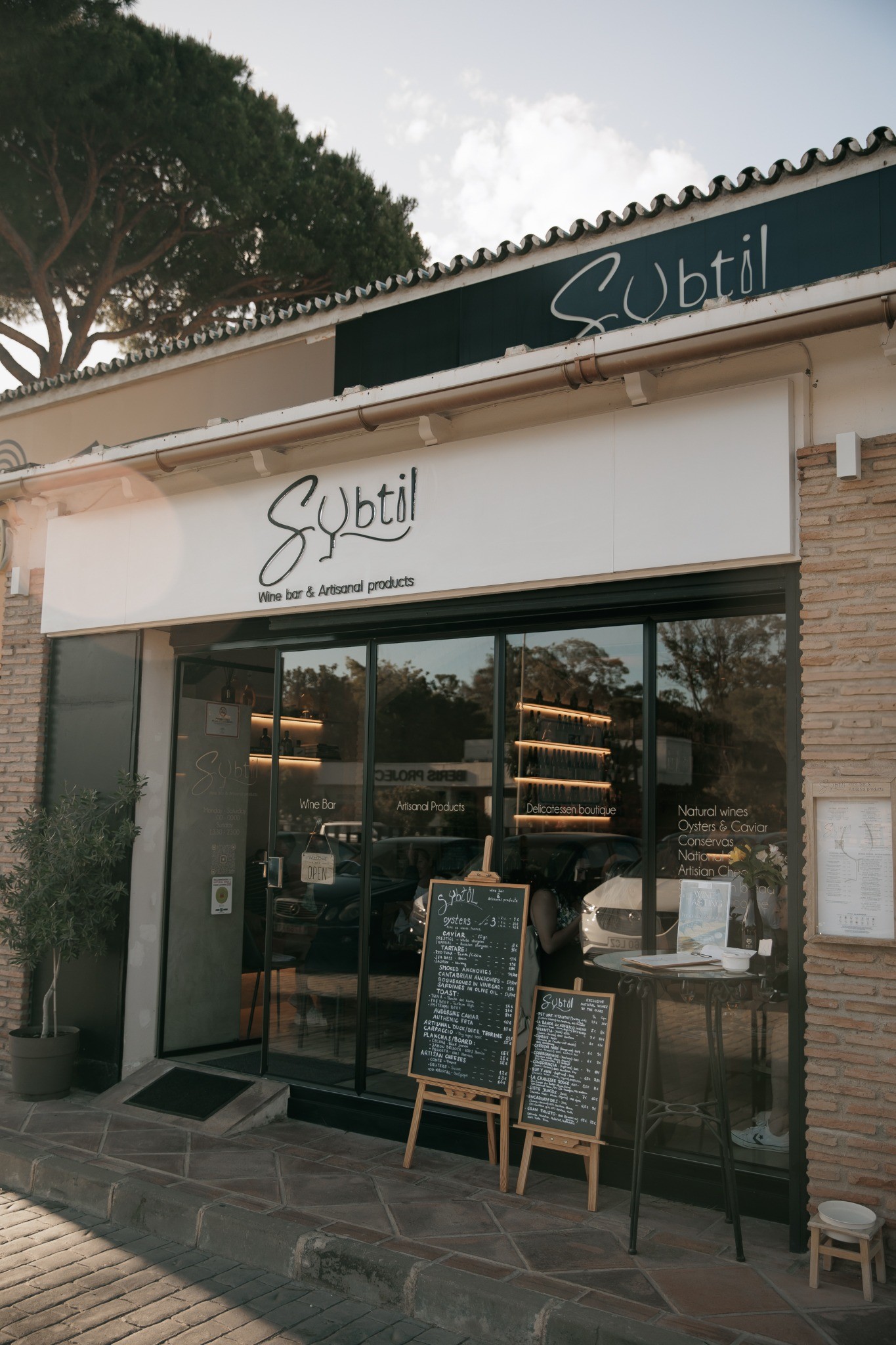
Subtil Winebar Elviria
In French, subtil means subtle: the art of being remembered without being loudly noticed.
That is precisely the idea, and the reason Gaëtan Vervaeke—after a lifetime devoted to the small details—decided to open a place that gathered everything he had ever wanted on a table.
The secret here is the artisanal. There is nothing on this menu that doesn't carry that note. Every product has been chosen with real intention, turning the menu into a complete experience, guided by a team that knows how to advise you, especially on those days when you can't quite decide what to order. Those, it turns out, tend to be the most memorable.
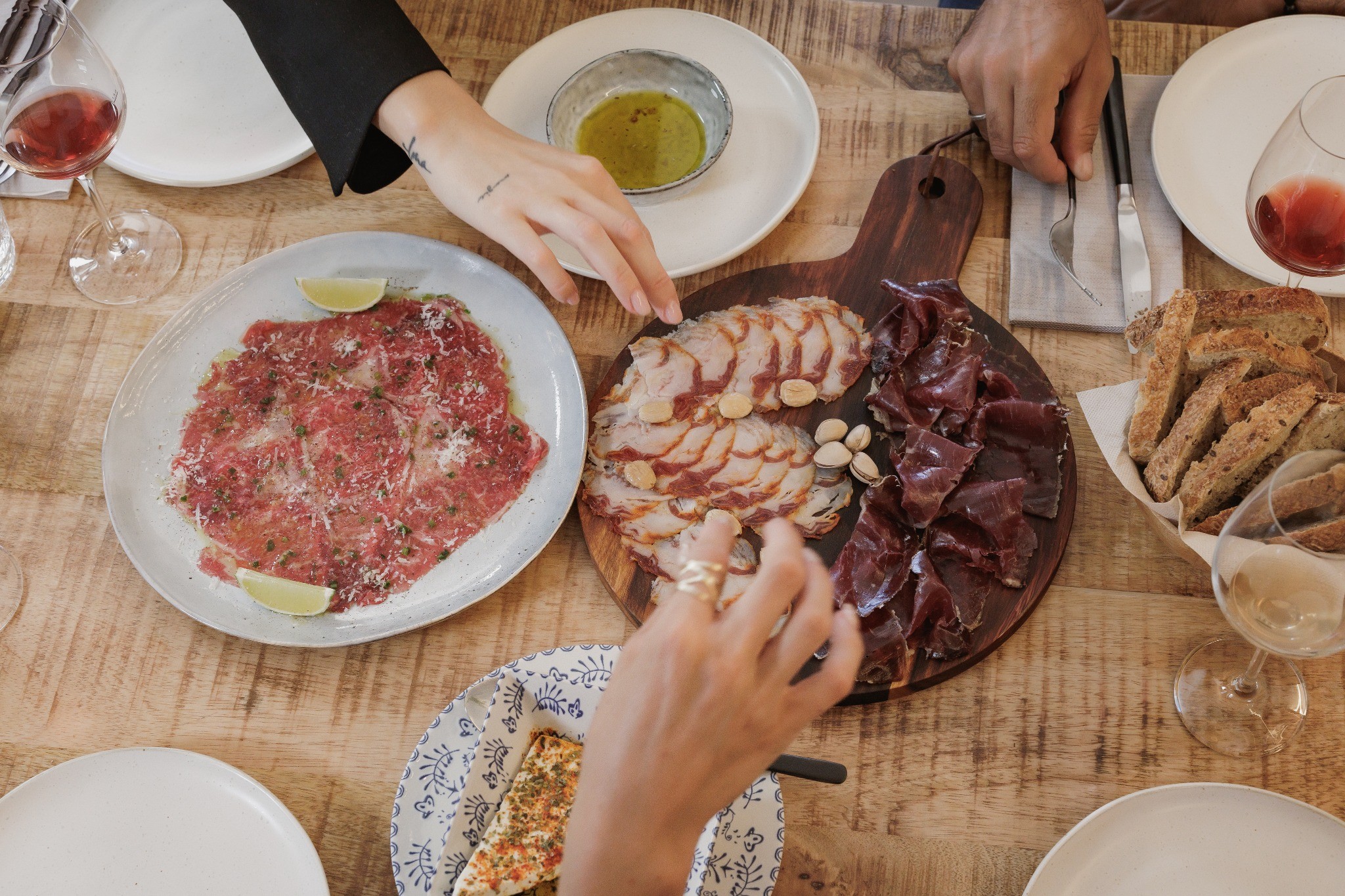
Set in Elviria, a minute from the motorway, Subtil leans into a deliberately varied carte. Our favourites would sit somewhere between the bluefin tuna tartare—brought directly from Tarifa, Cádiz—and the dry-aged beef carpaccio, matured 180 days, from the renowned José Gordón of El Capricho in León. Leading the table, though, is the Le Cannibale toast: dry-aged beef, tartare style, also from El Capricho.
Vegetarians have their place too, and whether you eat meat or not, the organic fresh salad with homemade vinaigrette is not to be missed, add the organic huevo de toro tomatoes or the original Greek feta, and order them separately, because they're even better that way.
The producers Subtil works with are well known in the world of serious gastronomy, with a selection of fine artisanal Spanish charcuterie running almost the length of the country—from El Capricho in León to choice cuts from the Ibéricos Maldonado family in Badajoz. There are temporary barbecue seasons with exquisite grilled meat, and in winter, an authentic Swiss fondue worth remembering for the rest of the year.
If you've arrived with a smaller appetite, the natural preserves—no additives, no preservatives—are waiting, and to our mind the oysters stand out above all: Fine de Claire Nº3 and Royale Nº3. Whether or not you count yourself a fan, they're a must.
And before the wine, one of its real strengths: the cheese. A selection drawn from across the world, chosen to surprise you. Our favourite? The OG Kristal, a 22-month Belgian cheese with a texture that's crunchy and creamy at once. Though, in this section, we'd happily recommend every last one.
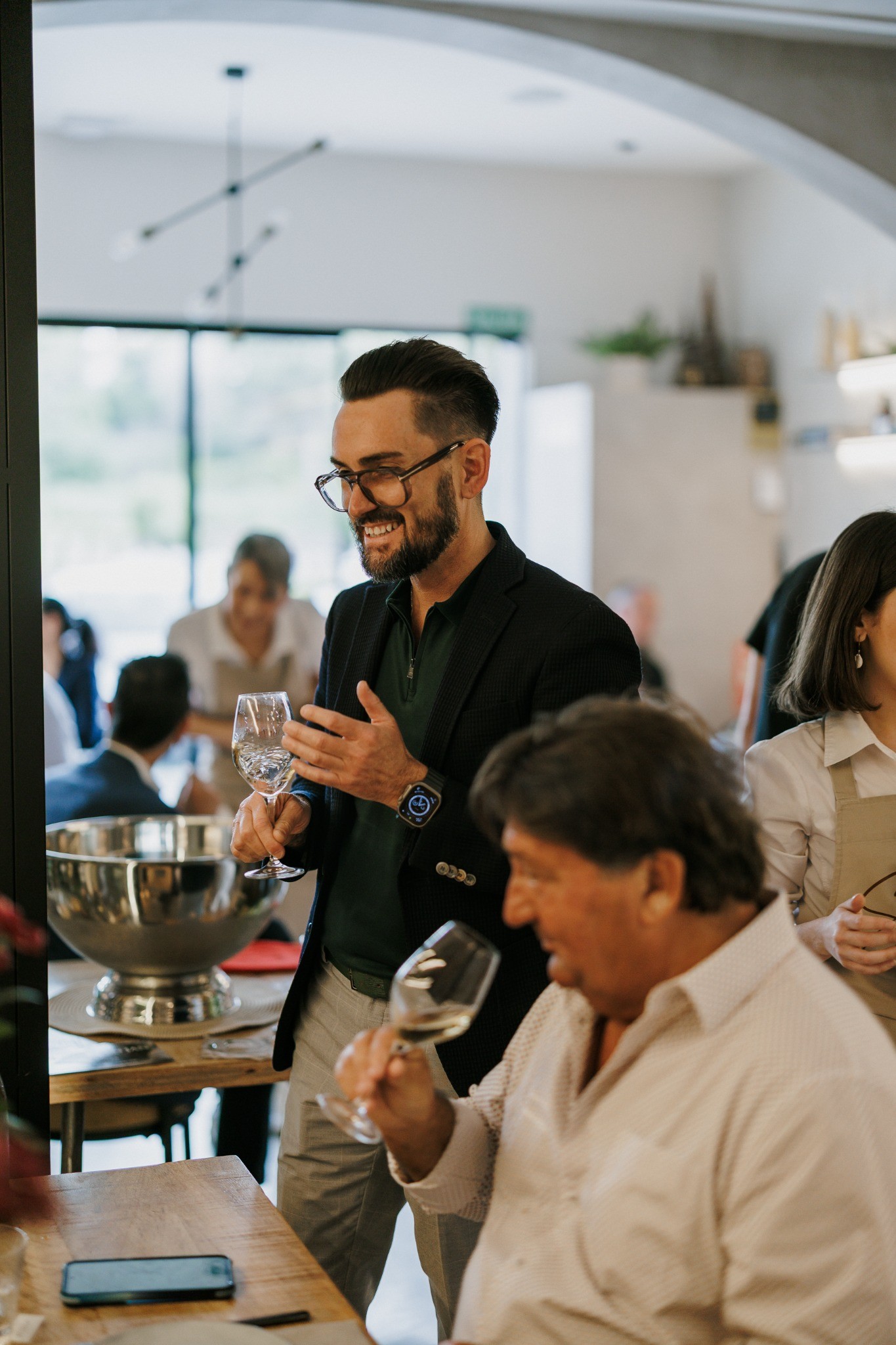
Then, as the sign promises, the wines. Because while the food here is something of a museum, wine is the speciality. Gaëtan has spent his whole life around bodegas, grenache grapes, and the craft of winemaking.
“Most of those who know us through Just Naturally Wines know our wines are natural, made using ancestral methods,” he says. “Thanks to these artisanal processes and the finest natural raw materials—the grapes—we produce something of high quality and respectful of the environment, paying personal attention to every detail of the process.”
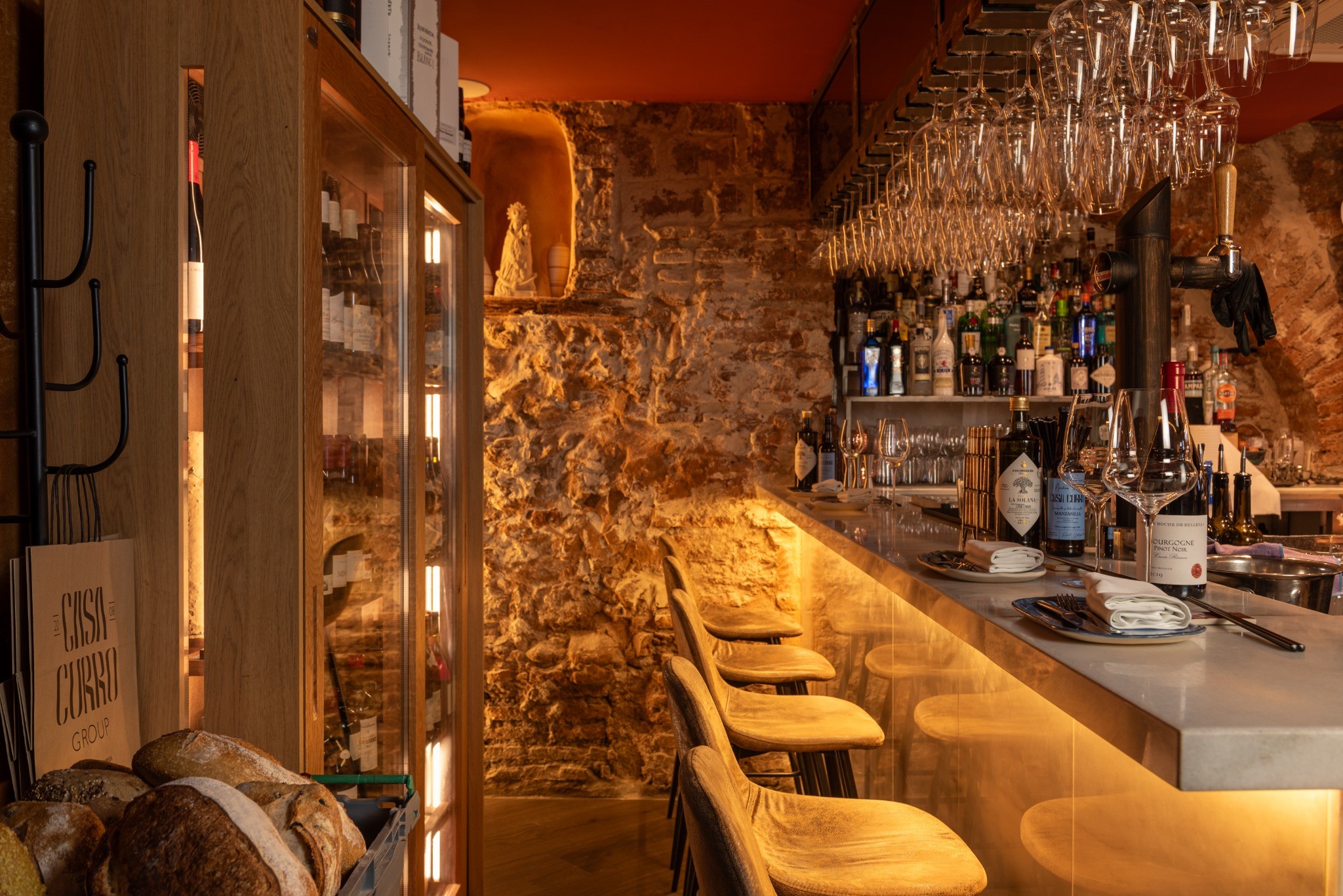
The quality is evident the moment you walk in: a minimalist setting, but one that keeps what you're drinking in full view. A wide selection lines the walls, and at the centre of the room, a living cellar.
From organic and natural cavas to white wines—organic, natural, biodynamic—and, for us, an obligatory stop at the orange wines, the most curious and surprising in flavour, made from white grape varieties left in contact with the skins, pips, and sometimes the stalks for varying lengths of time.
If curiosity isn't your thing, there's a broad range of excellent reds. A tip! Anything from the Catalan winery Còsmic Vinyaters is a safe bet, though the team will gladly help you discover plenty more to your taste.
This is the small venture of someone who went from laying out a table of France's best artisanal products for his friends to serving groups who arrive in search of genuine quality. Without pretension, without noise, without excess.
Subtil—the art of the understated.
Casa Curro
Curro Rodríguez opened La Taberna in 2008 with a simple idea: feed people well and make them feel at home. He was 28, had spent his working life in his father's plumbing business, and had always known he wanted a place with good wine, good food, and little more. His very first venture was a bar called Maraku, which did well but which he sold to chase the tavern he'd dreamed of since he was a teenager. Sixteen years later, that idea has become one of the most respected restaurant groups on the Costa del Sol.
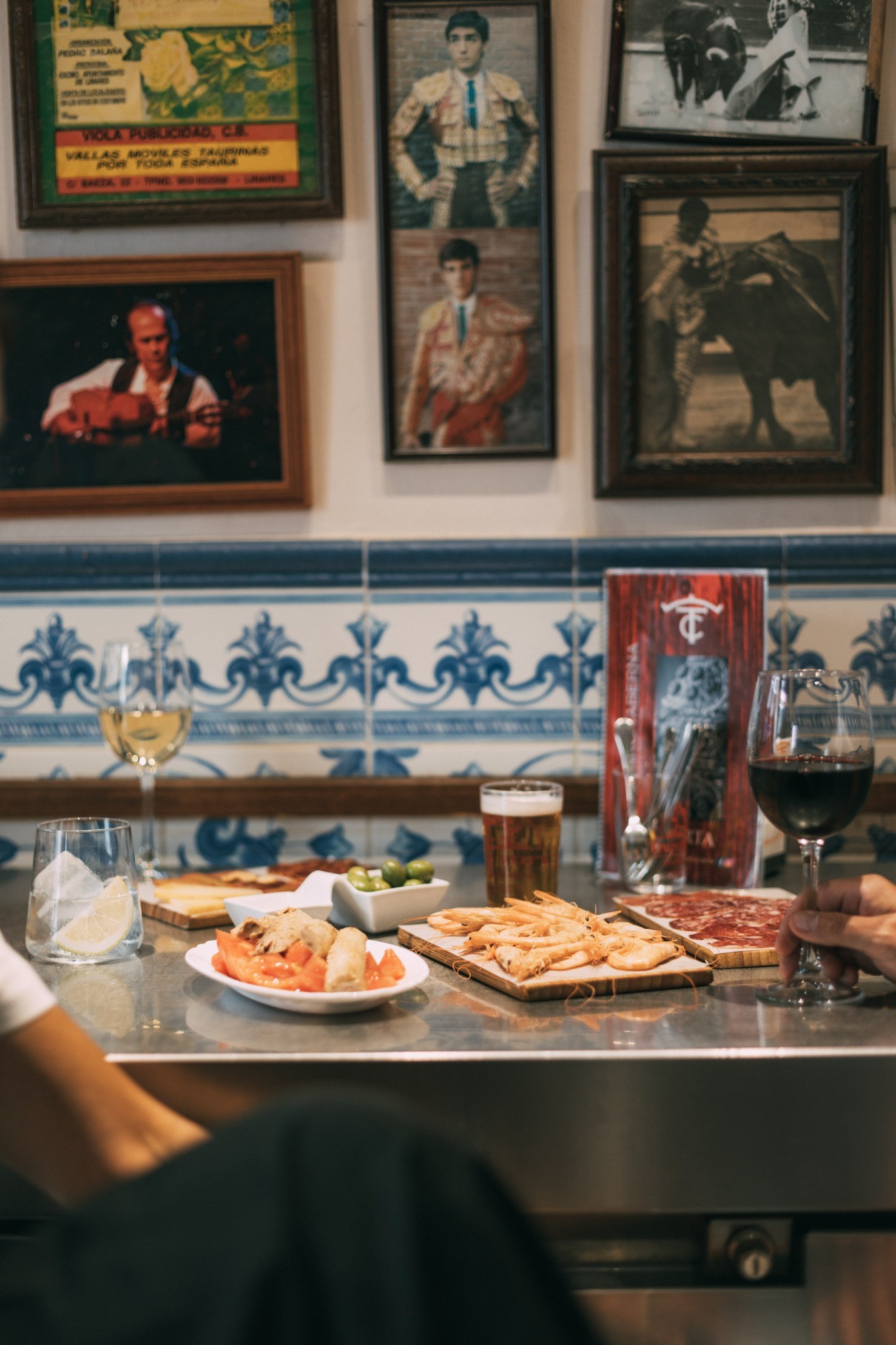
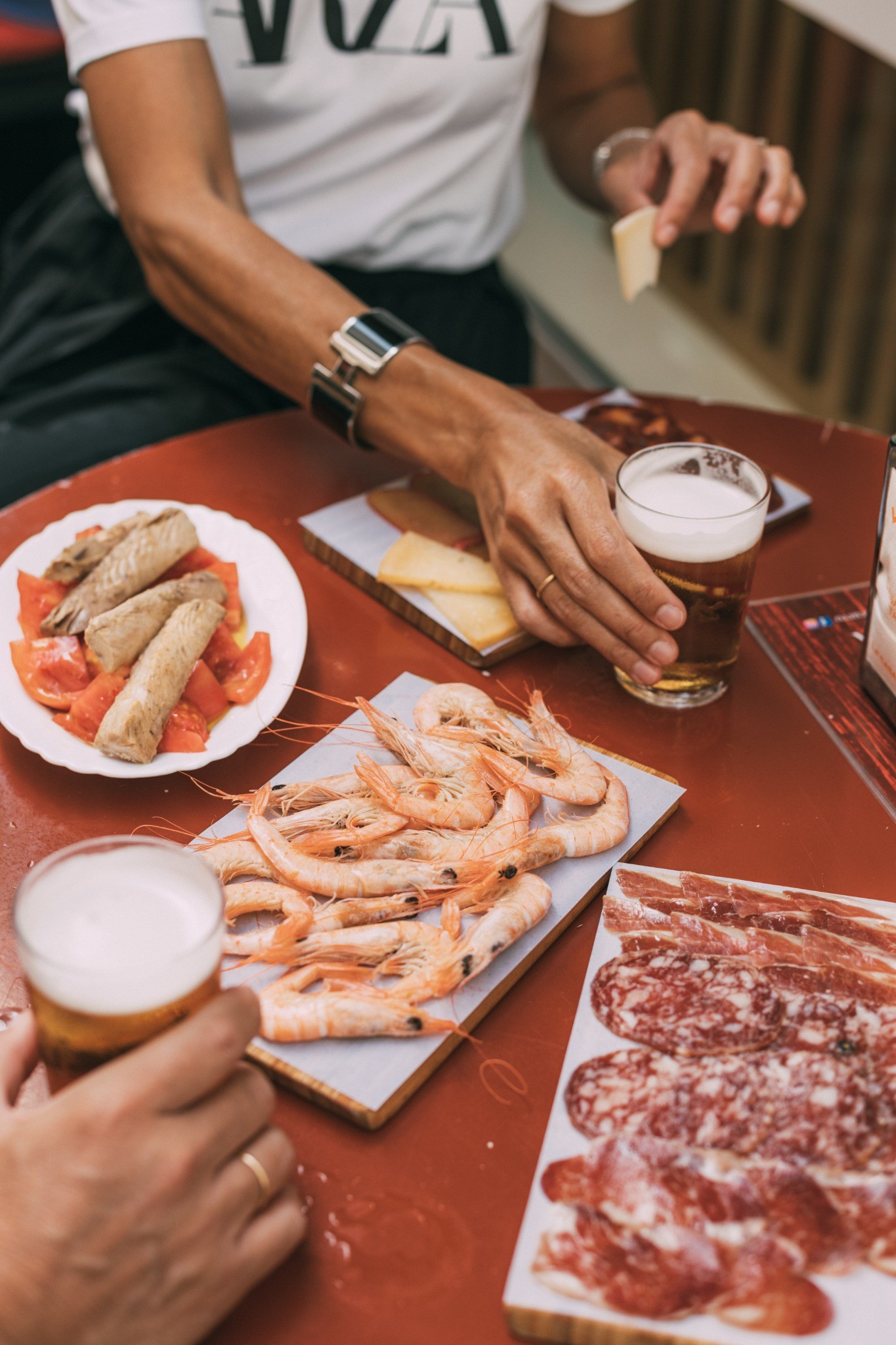
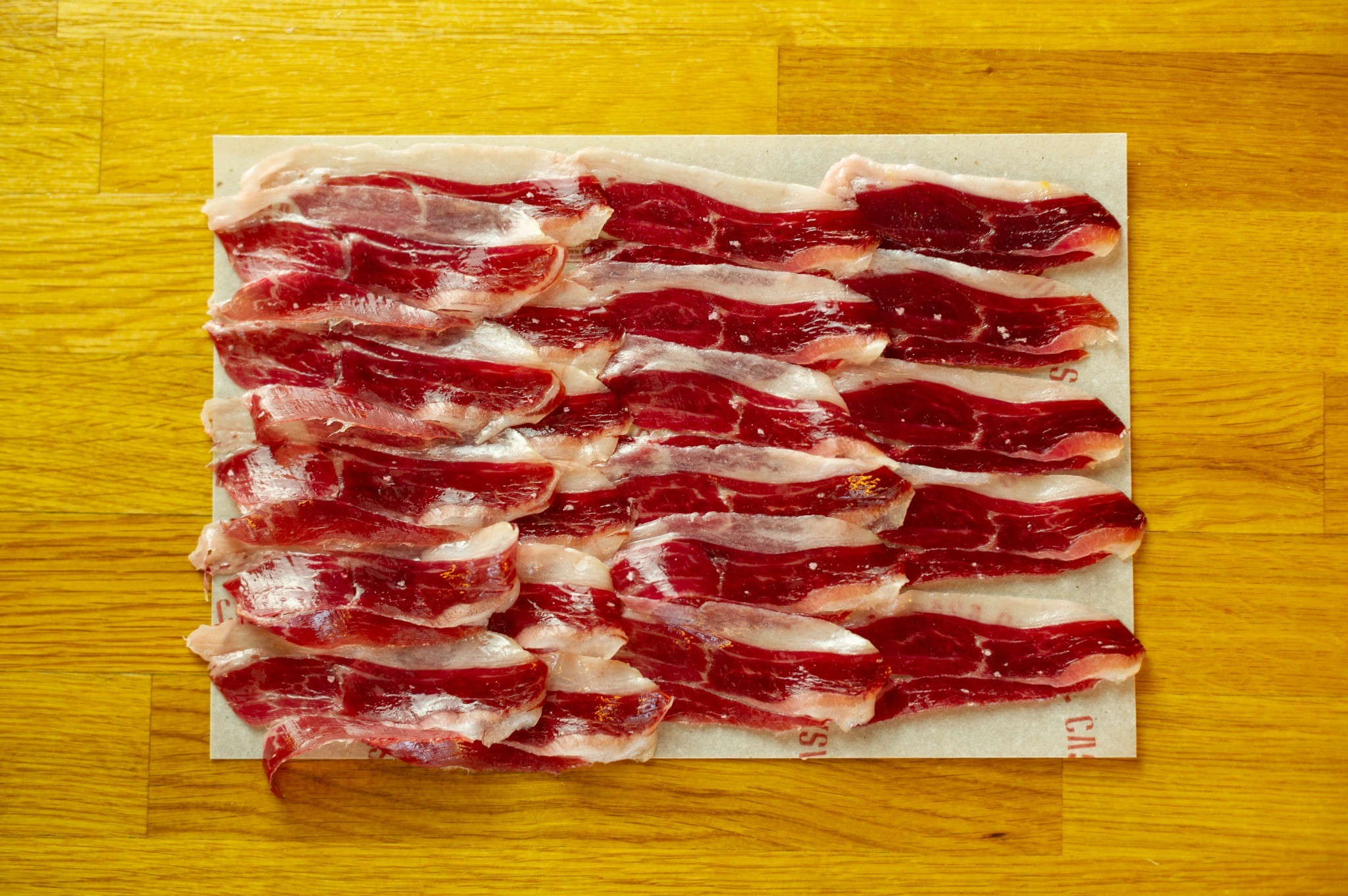
La Taberna set the tone — a room with the easy warmth of Andalusia built into its walls, the kind of place where the night has no fixed itinerary and that suits everyone just fine. Fittingly, the premises had once been a clothes shop, and Rodríguez kept its original floor, ceilings and structure, letting the bones of the old building shape the character the tavern carries today. Walls decorated with classic bullfighting posters, traditional tiles, and the familiar sound of glasses, laughter and good conversation. The kitchen pays honest tribute to memory: Iberian charcuterie, farmhouse cheeses, salt-cured fish, Huelva white prawns, classic lomo en orza. On the must-order list: chicharrones from Chiclana, Huelva prawns — the house's signature and most requested dish — acorn-fed jamón from Guijuelo, and a tuna ventresca salad with garden tomatoes from Barbate.
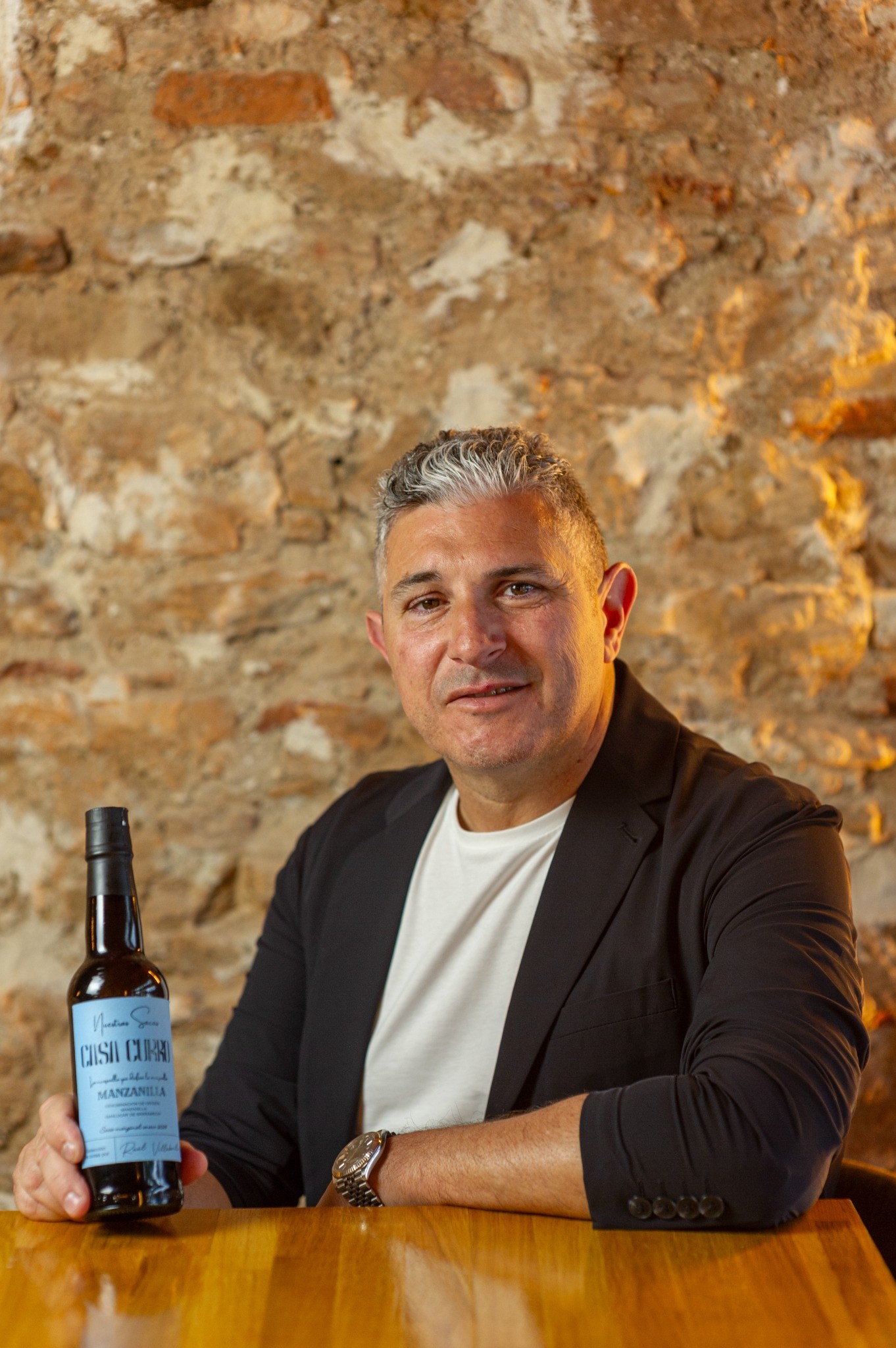
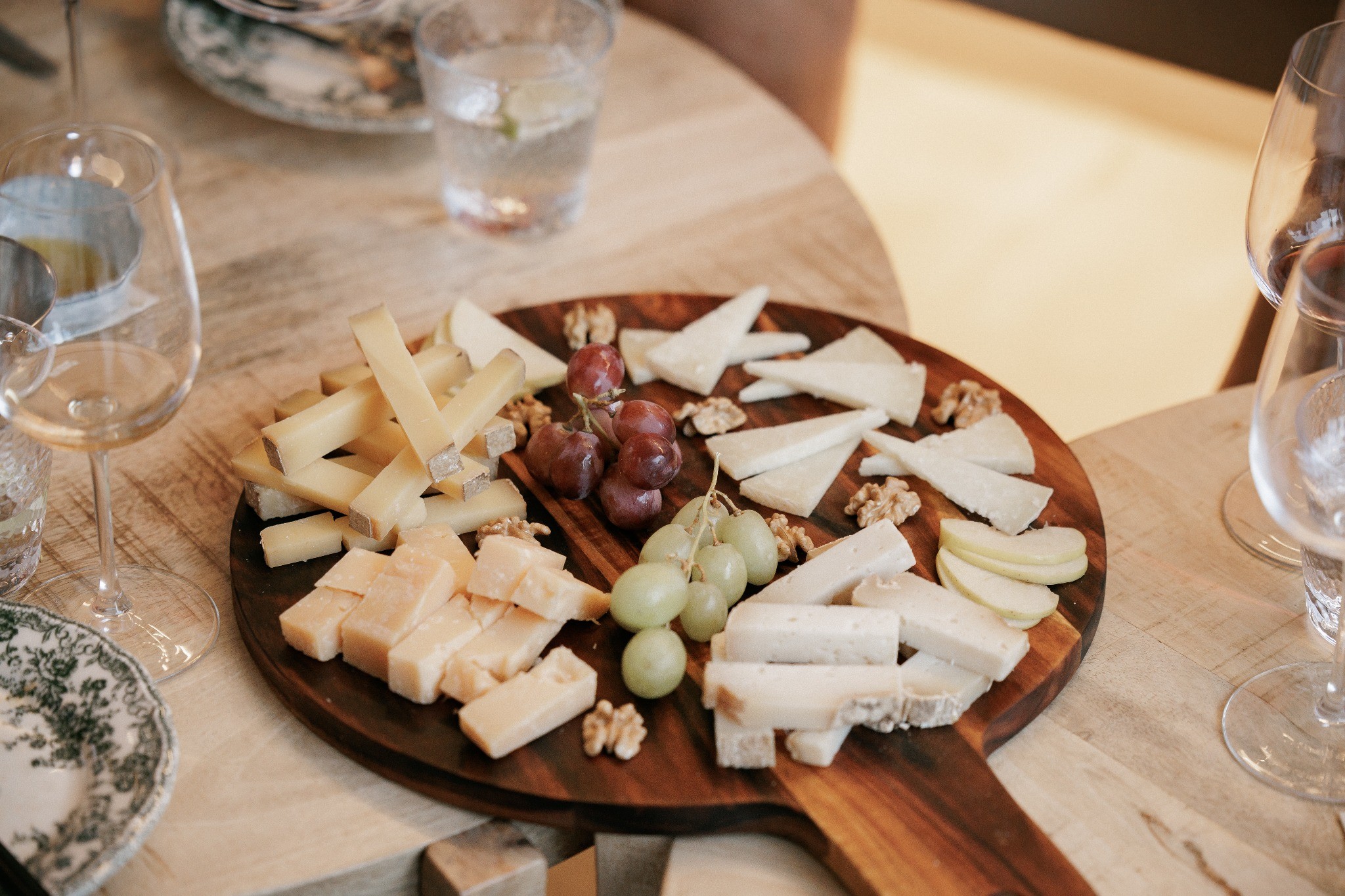
After the pandemic came La Tienda — a small wine shop that shed its skin and emerged as something considerably more serious: a premium restaurant built around product-driven cooking, a contemporary sensibility, and a cellar carrying over a thousand references. Presided over by sommelier Raúl Villabrille, whose wine list exceeds a thousand labels, it also holds one of the most extensive and carefully curated cheese selections in Spain — gathered in a dedicated corner the house calls Cheese Passion. The croquetas of Iberian ham come with tomato jam. The anchovies are dressed with aged Jerez vinegar. There's an avocado cannelloni stuffed with spicy bluefin tuna, an artichoke flower with jamón romesco and Parmesan, and a lobster brioche with jalapeño that has no interest in playing it safe.
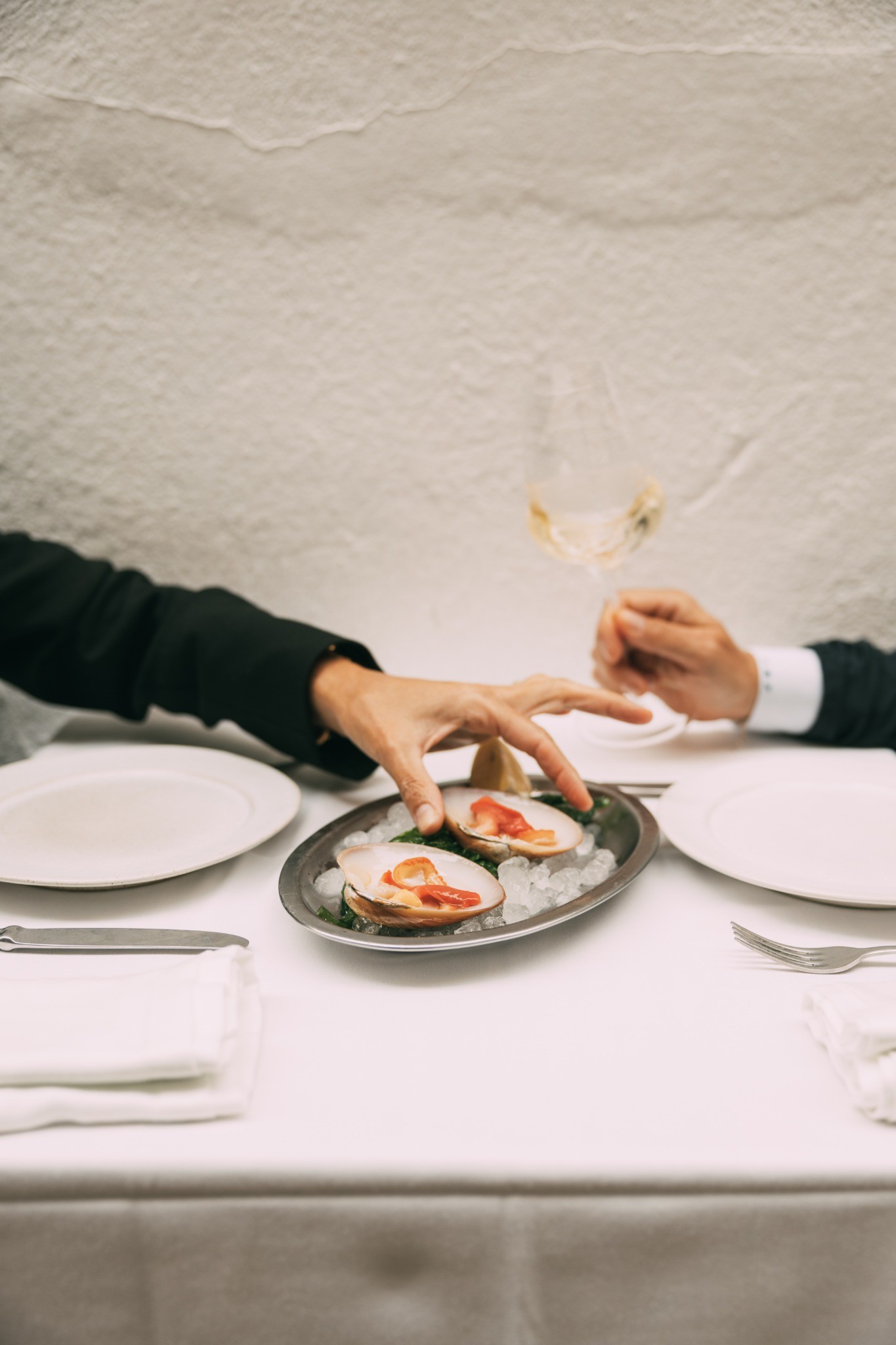
La Marisquería rounds out the family — a shrine to the day's catch and the finest shellfish the Atlantic has to offer, with the quiet figure of Fernando Villasclaras behind the counter: the chef who for years held the Michelin star at El Lago — the oldest in Málaga province, awarded in 2005 — and who now advises the house, working the plancha and dressing plates with the precision of someone who has nothing left to prove. His pedigree runs deep: stints at Mugaritz, the Puente Romano hotel and Alcuzcuz before returning to the helm of El Lago's kitchen. Oysters. Fine clams. Monkfish in green sauce with Galician clams. Carabinero grilled with potatoes and a fried egg. The simplicity of conviction.
The genius of the project is its geography. La Taberna, La Tienda and La Marisquería sit side by side along the same narrow alley of Marbella's old town, so close that the spaces feed off one another and their specialities can be ordered interchangeably from table to table. It is less a collection of restaurants than a single, sprawling conversation about how to eat well — and the locals know it. The rooms are small and fill every day, so booking ahead is essential.
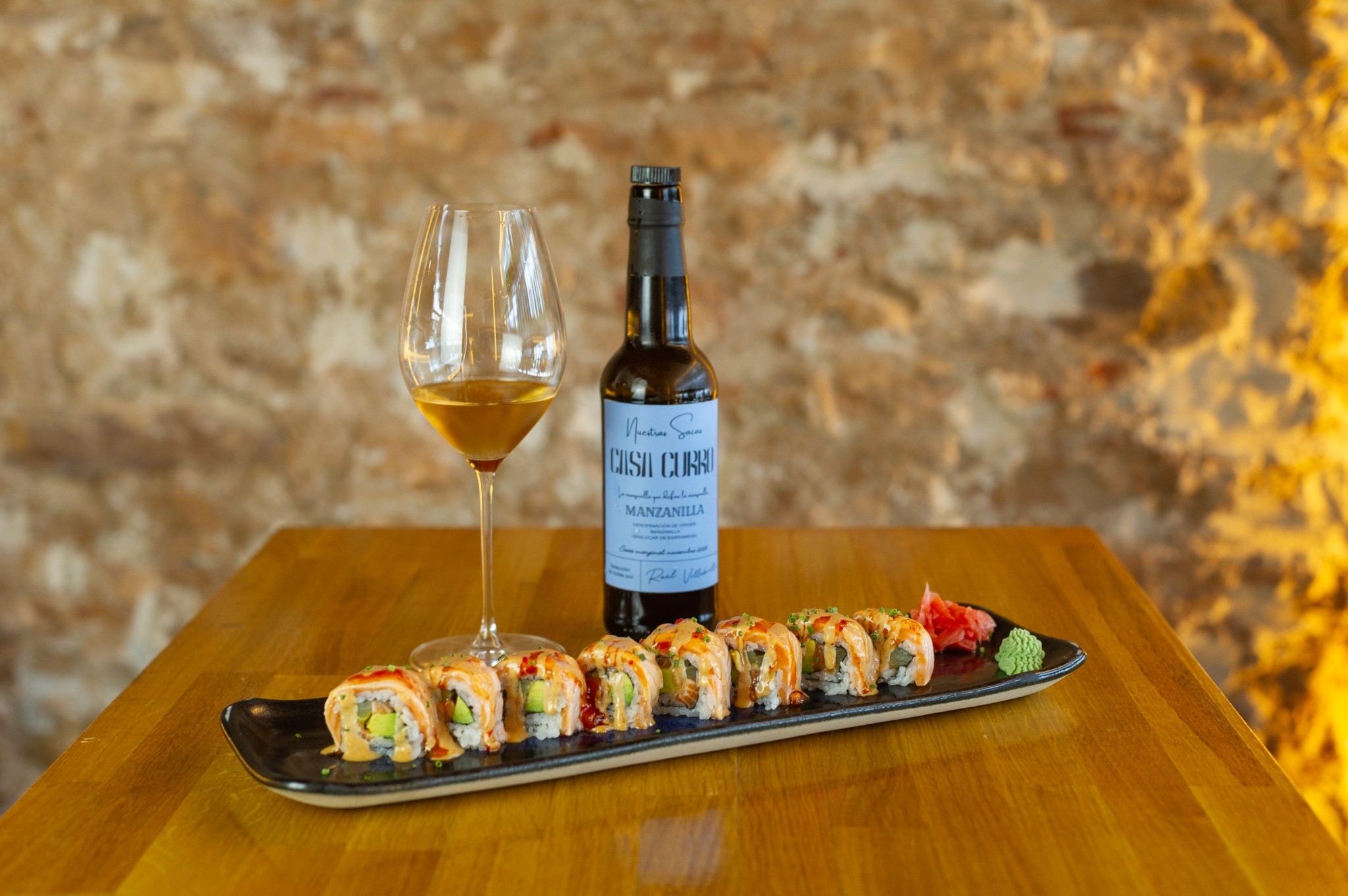
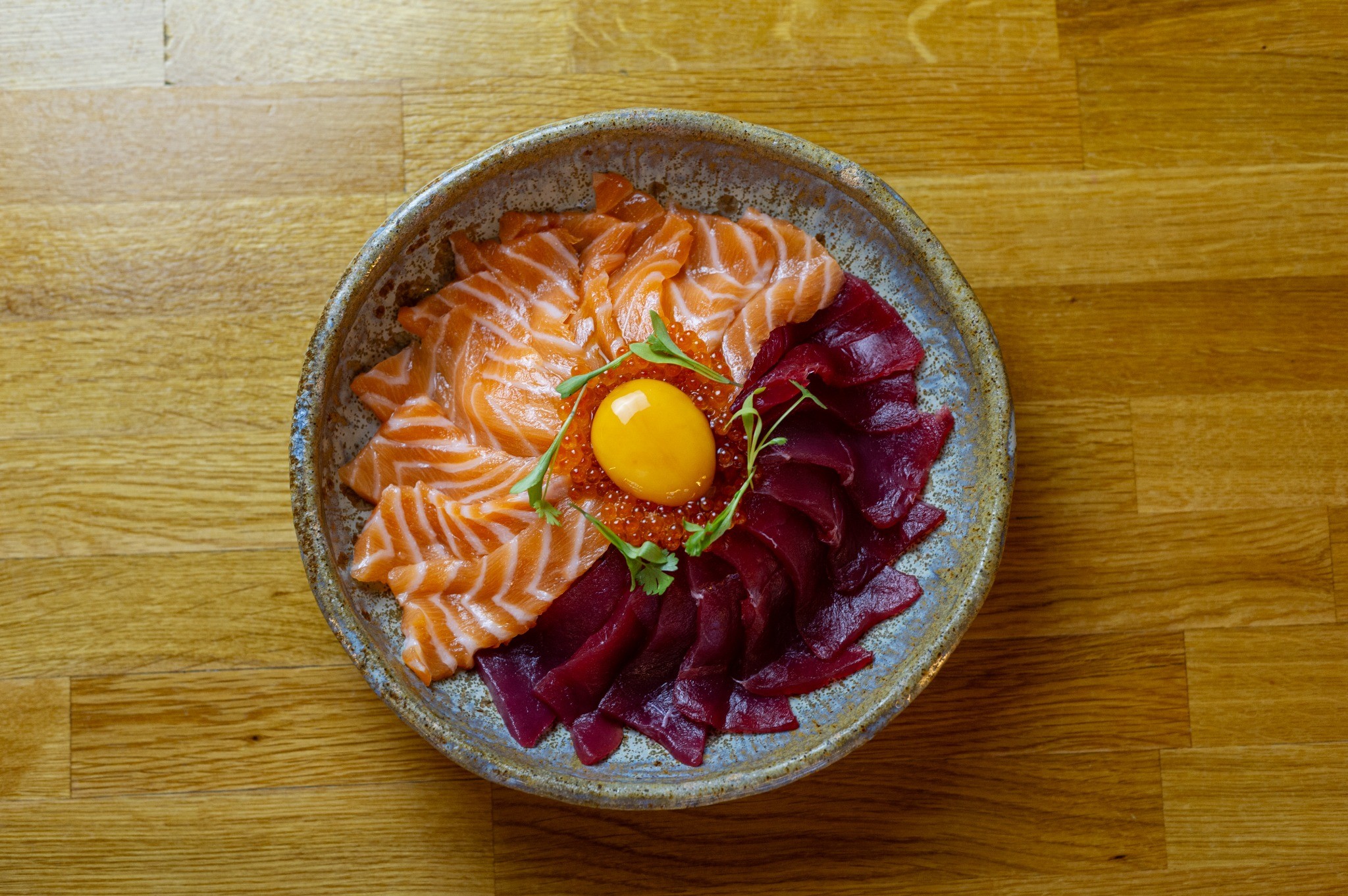
And at the end of May, the group unveiled Las Sacas in the historic center of Marbella. Set on Calle Pantaleón, 8, and named after one of the house's most prized traditions — its own carefully selected Jerez sacas, tied to Bodegas Yuste of Sanlúcar de Barrameda — this new address fuses the soul of Andalusian wines with subtle nods to Japanese cooking. The launch was marked by a vertical tasting of the group's own Casa Curro manzanillas, running through successive vintages up to a special Oloroso 1822 saca, their salinity and depth pairing naturally with shellfish, sushi and the sharper, more iodic notes on the menu. The nigiri of chutoro, the Marbella uramaki roll, the Atlantic sea bass ceviche with cured red prawn, the flambéed white Marbella prawn tartare. A combination that earns its place at the table.
Our experience at Casa Curro has always been a ten. Whichever table you choose, whichever dish lands in front of you — if this name is behind it, you're in good hands and better plates.